What is a pelvic floor, and how do we rehab it?
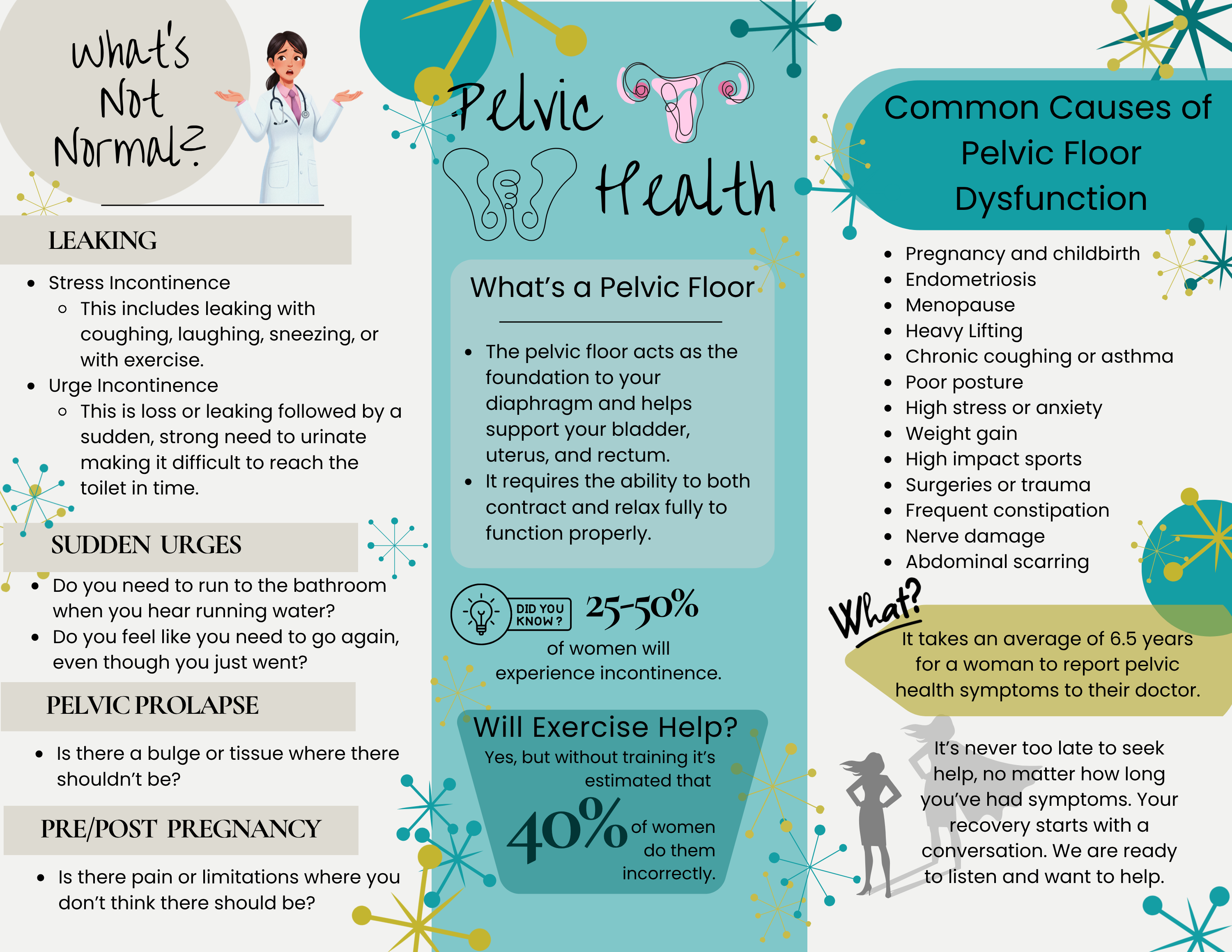
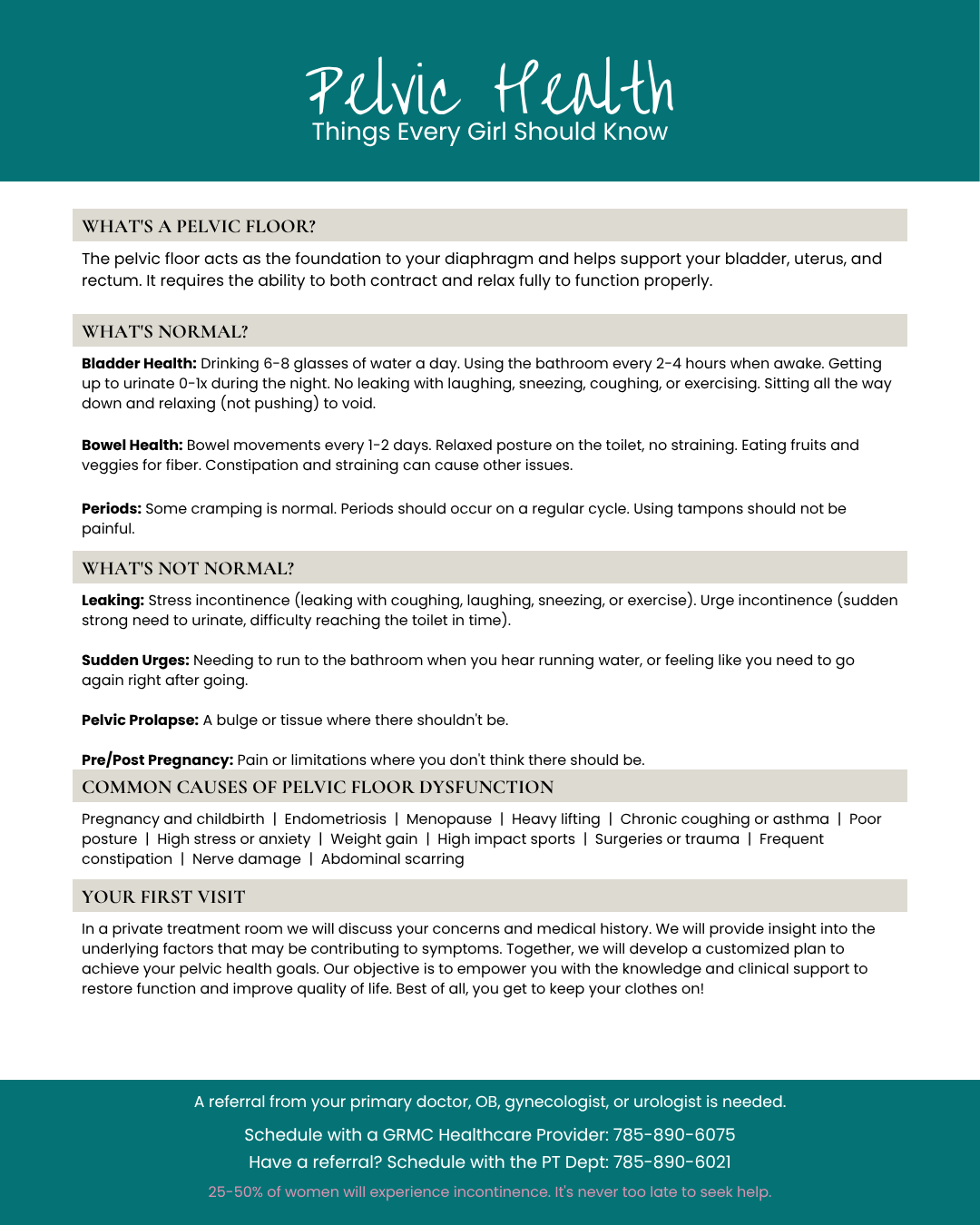
The pelvic floor is a hammock like group of muscles and tissues that support the bladder, uterus, and rectum. It plays a crucial role in maintaining bodily functions such as bladder and bowel control. The pelvic floor is also considered to be the foundation for our core.
This area is often overlooked until problems arise; these vital muscles are susceptible to weakening due to factors like childbirth, aging, chronic coughing, heavy lifting, surgeries, or cancer. Pelvic floor dysfunction can manifest through various symptoms such as urinary incontinence, pelvic pain, and constipation.
Fortunately, with pelvic floor training we can strengthen these essential structures, working towards improving and reclaiming quality of life. Understanding the importance of pelvic floor rehab begins with acknowledging there is potential to decrease and alleviate these symptoms.
It’s estimated that 25-50% of woman suffer from symptoms and 1/3 of the population overall (men included). Many believe that discomfort or incontinence is a normal part of aging or post-partum recovery. However, these conditions are often treatable. Pelvic floor training will focus on strengthening and retraining the pelvic floor through targeted exercises, education, and sometimes biofeedback.Pelvic floor training, often referred to as Kegel exercises, involves the conscious contraction and relaxation of the pubococcygeus and levator ani muscles.
While the concept is simple, it is crucial to identify the correct muscles for efficient training. Pelvic floor rehab addresses the root cause of the dysfunction rather than masking the symptoms.
Medications may provide temporary relief, but they often come with side effects. Pelvic floor rehab educates patients, providing them with the tools to understand and manage their bodies. Through individualized assessment and tailored treatment plans, healthcare professionals can pinpoint specific muscle weakness or imbalances, guiding patients towards long lasting relief. Improved pelvic floor function can enhance pelvic health, boosting confidence by decreasing or eliminating leakage with activity, managing pelvic pain, and regaining control over your body.
To start this process, see your primary doctor, OB, gynecologist, or urologist and ask about pelvic floor rehab. The physical therapy department at GRMC can provide personalized guidance through education on correct technique, addressing specific concerns, and if needed use biofeedback to ensure control and improve pelvic floor range of motion.